The Advantages of Secure Outdoor Spaces in Memory Care Homes
Business Name: BeeHive Homes of Draper
Address: 711 Pioneer Rd, Draper, UT 84020
Phone: (801) 495-3100
BeeHive Homes of Draper
Full service assisted living facility serving southern Salt Lake County offering all-inclusive Memory Care, Assisted Living, and Senior/Adult Day Care services.
711 Pioneer Rd, Draper, UT 84020
Business Hours
An excellent memory care home does greater than maintain individuals safe inside your home. It provides older adults area to breathe, move, and really feel the sun on their faces without placing them at risk. That may sound easy, yet anyone that has spent time around dementia care understands how much distinction a properly designed outdoor space can make.
People living with memory loss typically need more than supervision. They need settings that lower anxiety, lower complication, and assistance acquainted routines. A protected yard, shaded courtyard, or confined walking path can do every one of that at the same time. The appropriate outdoor space does not just look pleasurable. It enters into the care strategy, part of the day's rhythm, and commonly, part of what helps someone seem like themselves again.
For family members looking for memory care near me or contrasting senior living near me options, the outside setting deserves paying very close attention to. A structure can have polished corridors and a happy dining-room, but if locals never obtain outside securely, something crucial is missing out on. The very best elder care setups comprehend that fresh air is not a deluxe. It is a significant piece of daily health.
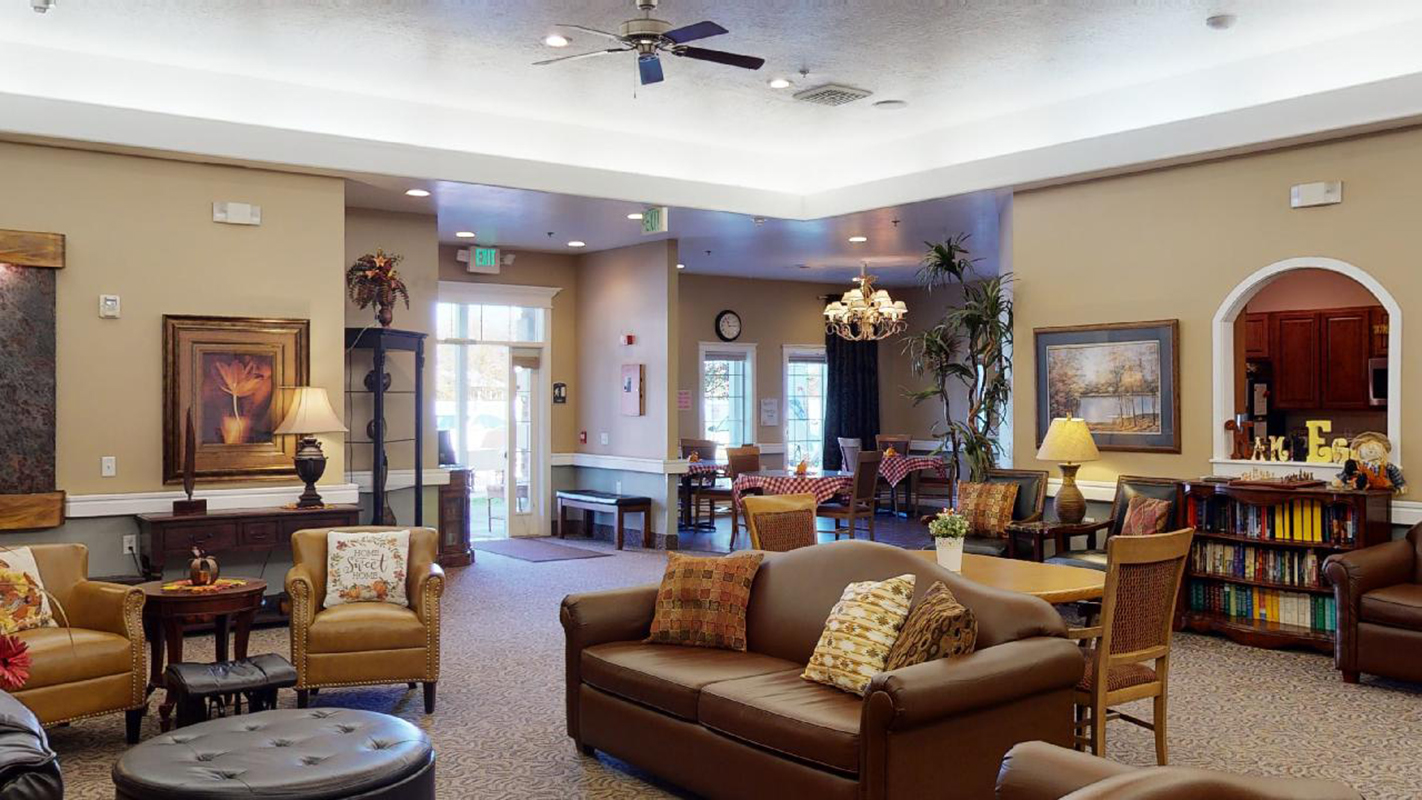
Why exterior access matters a lot in memory care
Memory loss changes exactly how individuals experience the world. An individual with dementia may feel uneasy in noisy rooms, end up being disoriented in lengthy corridors, or grow agitated when they feel trapped. Outdoors, when the room is secure and predictable, much of those stress ease.
I have seen citizens that barely talked throughout indoor activities become visibly calmer after 10 minutes on a shaded patio. Their shoulders dropped. Their faces softened. Often they started chatting again, not in remarkable discussion, yet in small, grounded methods. They could discuss a bird, the smell of rosemary, or the warmth of a bench in the sun. Those minutes matter since they reconnect a person to sensation and memory.
Secure outdoor spaces in memory care homes also support physical motion. A brief stroll around an enclosed garden can assist with balance, flow, and uneasyness. For individuals who spend too much time resting, that movement can enhance appetite and sleep. It additionally provides staff a more secure means to redirect straying habits. Instead of dealing with motion as a problem, good senior care settings carry it right into something purposeful.
The emotional benefits are just as important. Lots of homeowners have invested decades tending gardens, resting on patios, or taking evening walks. When amnesia eliminates acquainted regimens, the lack can feel larger than individuals anticipate. A safe and secure outside area restores a variation of those routines. That remediation can decrease stress and anxiety in ways medicine alone cannot.
Safety without really feeling confined
The phrase "safe outdoor space" can sound restrictive at first, especially to households that fret that safety will certainly come with the price of dignity. It is a reasonable issue. No person desires a loved one to feel locked in or watched as well closely whenever they tip outside.
The distinction is in design. A well-planned outdoor location in memory care does not feel like an obstacle. It seems like a yard, a yard, or a walking loop that happens to be protected. The safety is constructed into the layout. Fence blends right into landscape design. Gates are discreet. Sightlines are clear sufficient for personnel to monitor without floating. Courses loop back in a way that supports natural roaming without causing departures or hazards.
That equilibrium is one of the hardest components of top quality memory care. Residents require flexibility within risk-free restrictions. If the room is also open, it can produce danger. If it is as well encased or institutional, individuals will certainly not use it. The most effective areas give sufficient option to preserve freedom while eliminating the dangers that include dementia-related confusion.
There is additionally a useful side to safety that family members in some cases ignore. Outside locations can be designed to lower journeys and drops with even surfaces, handrails where required, and seating placed at sensible periods. Shade issues as well. Warm tension can be dangerous for older adults, especially those on drugs that influence hydration or blood pressure. A good room make up all of that, not simply the visual appeal.
The sensory value of being outside
Memory care residents commonly react highly to sensory experiences. A wind, a spot of sunshine, the audio of water, or the scent of lavender can secure a person in today better than a room loaded with interruptions. Protected exterior areas offer those sensory signs space to work naturally.
This is one factor grown yards and garden courses are so effective. They are not decorative additionals. They are healing tools. A resident may not remember the names of flowers, yet they may still recognize the sensation of stooping near a planter or scrubing a fallen leave between their fingers. That recognition can unlock convenience, conversation, and calm.
Natural light also plays a significant function. Regular direct exposure to daytime assists manage sleep-wake cycles, which is frequently a struggle in memory care. When citizens invest everyday under fluorescent illumination, their bodies can misplace time. A few well-timed visits outdoors can sustain better nighttime remainder and lower late-day agitation. Team in strong senior BeeHive Homes of Draper respite care living neighborhoods commonly see that residents that obtain outdoors regularly are simpler to settle in the evening.
Sound issues as well. A safe and secure outdoor area does not have to be quiet to be comforting. The rustle of leaves, a fountain, and even far-off traffic can produce a much more natural environment than the constant interior sound of tvs and call bells. For citizens who become overloaded quickly, that softer sensory landscape can make a genuine difference.
Movement, straying, and the need to keep going
Wandering is just one of the most typical issues in memory care. Family members occasionally hear words and imagine it just as a threat, however it is commonly a form of expression. Individuals relocate since they are looking for something, attempting to sweat off anxiousness, or following a long-lasting behavior. The goal is not to stop activity entirely. The objective is to lead it safely.
Secure exterior spaces offer locals a location to stroll with function. Instead of pacing in corridors or grabbing departures, they can follow a loop, being in a yard, or pause near a growing bed. This can ease agitation without making somebody really feel dealt with or restrained.
For staff, the difference is massive. A resident who is troubled inside your home can commonly be rerouted outdoors with much less resistance. The establishing itself does some of the relaxing work. It uses uniqueness without confusion and activity without danger. That can lower stress for the care group as well, which matters due to the fact that good elder care depends on personnel having the ability to respond patiently, not react under pressure.
There is additionally value in basic exercise. A safe and secure course may motivate 5, 10, or 15 minutes of walking at once. That might not appear significant, but duplicated throughout the week, it can sustain mobility and reduce tightness. In memory care, small amounts of motion commonly have outsized benefits.
Family visits feel much more human outside
A visit in a small indoor space can feel stiff, especially when a loved one no more adheres to conversation easily. Outdoors, the pressure goes down. There is something concerning remaining on a patio with coffee, watching a bird feeder, or walking a loophole with each other that makes communication feel even more natural.
Families usually tell staff that their finest visits take place outside. That rings true in practice. A kid might locate it simpler to talk while pressing his mother's wheelchair along a path. A partner might kick back a lot more on a bench under a tree than across a table in a dining room. Grandchildren may be extra comfortable tossing a soft sphere in a courtyard than trying to sit still in an official parlor.
Those moments are not just pleasurable. They preserve connection. Memory care can alter the shape of communication, yet it does not erase the demand for link. Protected outdoor areas give families an additional way to be present without requiring the type of conversation that may no more work.
For people evaluating respite care or elder care alternatives, this can be a crucial information. If a short-lived remain or a long-term positioning consists of welcoming outside locations, the resident is more likely to feel cleared up, and the household is most likely to feel they are visiting a person, not just a patient.
Better behavior usually begins with a better environment
One of the most taken too lightly truths in memory care is that behavior is typically ecological. A resident who appears upset inside may calm promptly when their setup adjustments. That does not indicate every challenging minute can be solved by going outside, however the setting can either contribute to distress or reduce it.
Outdoor areas help since they use space, alignment, and choice. An individual can choose to sit, walk, view birds, or merely feel the wind. That small sense of control can lower frustration. In dementia care, where a lot currently feels uncertain, control matters.
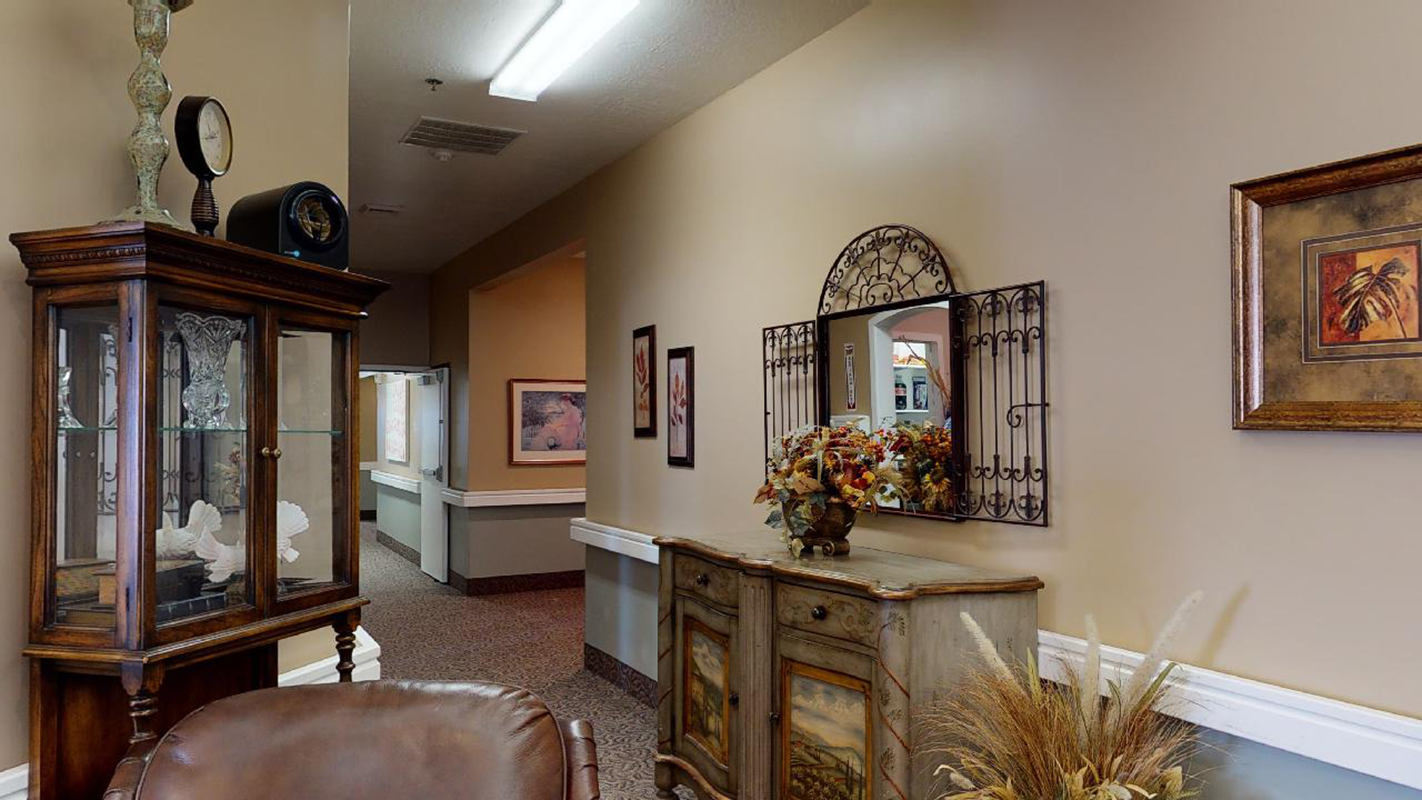
This is where proficient staff and thoughtful design work together. A protected yard is just valuable if caretakers know exactly how and when to use it. A resident that is expanding irritated after lunch may need a silent stroll. A person that has been sleeping all mid-day may require daylight exposure to reset their rhythm. Somebody that is grieving, mad, or merely overwhelmed may require a low-stimulus bench far from common areas.
Well-run memory care homes treat the exterior location as component of everyday assistance, not as an unique occasion. That type of consistent usage is what makes the area reliable. It ends up being an additional device in the hands of experienced senior care personnel, just as useful as songs, hydration, or an acquainted routine.
What families need to look for
When visiting a memory care neighborhood, it helps to look past the pamphlet language and see exactly how the outdoor room really functions. A lovely yard is nice, yet not nearly enough. The details matter.
Here are a few sensible things worth noticing:
- Is the area very easy for citizens to access without difficult team intervention?
- Do the paths really feel secure for walkers, wheelchairs, and individuals that shuffle or tire easily?
- Is there shade, seats, and security from weather?
- Does the area feel calming and functional, or just decorative?
- Can team oversee discreetly while still giving citizens room to move?
Those monitorings tell you a lot more than a marketing photo. They reveal whether the exterior atmosphere was developed for real memory care usage or included as an afterthought.
It is likewise worth asking exactly how often citizens actually go outside. Some communities have charming gardens that are rarely used since staffing is too slim or the format is troublesome. A solid memory care home need to be able to clarify just how outside time matches the routine, exactly how it is adjusted for various mobility degrees, and what precautions are utilized in heat, rain, or cooler seasons.
If you are comparing senior living near me alternatives, this is the kind of detail that can separate a pleasant-looking neighborhood from one that really sustains well-being.
The design information that make the difference
The most successful safe and secure outdoor rooms tend to share a couple of qualities. They are not fancy, and they do not attempt to excite with dimension alone. They function due to the fact that they are useful, acquainted, and simple to use.
A good space normally consists of looping courses that protect against dead ends, because stumbling blocks can trigger stress for citizens that maintain walking. It consists of seating that appears typically adequate that nobody needs to go far to remainder. It utilizes plants that are aesthetically appealing but not hazardous. It has excellent illumination for dusk hours, and doors that are secure without really feeling harsh.
A little changability in nature can be wonderful, yet in memory care, excessive changability creates anxiety. That is why clean designs matter a lot. Locals gain from atmospheres that make good sense at a glance. The outdoor area needs to really feel user-friendly also when memory is not.
There is likewise a silent self-respect in making the area beautiful. Residents observe. Households observe. Personnel notification too. Fresh blossoms, seasonal plantings, bird feeders, and well-kept furnishings send a message that people below deserve taking care of with attention. That message changes the tone of the whole community.
Small moments, consistent benefits
The value of safe outside rooms is not constantly significant. It turns up in regular scenes. A resident walks after morning meal and consumes a lot more at lunch. An additional rests outside throughout a hard telephone call and returns calmer. A spouse checking out for an hour seems like they had actual time with each other. A resident who normally paces the hall invests fifteen quiet minutes paying attention to wind in the trees.

These small minutes accumulate. They lower stress, support flexibility, and make every day life really feel less institutional. They likewise help households really feel more positive that the memory care home is reacting to the whole individual, not simply the diagnosis.
Good senior care does not count on one service. It combines safety, routine, compassion, and atmosphere. Secure outdoor spaces are part of that combination since they serve body, mind, and spirit at the very same time. They are especially important in memory care, where a feeling of liberty can discolor promptly unless the setup proactively secures it.
For family members discovering memory care or respite care, the outdoor space is worth a significant appearance. It might appear like a second attribute throughout a tour, but it typically reveals how an area thinks about self-respect, activity, and quality of life. The locations that get it appropriate usually understand something much deeper as well: people do not stop requiring fresh air, sunshine, and space to relocate even if memory has transformed. They need those points more than ever.
BeeHive Homes of Draper provides assisted living care
BeeHive Homes of Draper provides memory care services
BeeHive Homes of Draper provides respite care services
BeeHive Homes of Draper supports assistance with bathing and grooming
BeeHive Homes of Draper offers private bedrooms with private bathrooms
BeeHive Homes of Draper provides medication monitoring and documentation
BeeHive Homes of Draper serves dietitian-approved meals
BeeHive Homes of Draper provides housekeeping services
BeeHive Homes of Draper provides laundry services
BeeHive Homes of Draper offers community dining and social engagement activities
BeeHive Homes of Draper features life enrichment activities
BeeHive Homes of Draper supports personal care assistance during meals and daily routines
BeeHive Homes of Draper promotes frequent physical and mental exercise opportunities
BeeHive Homes of Draper provides a home-like residential environment
BeeHive Homes of Draper creates customized care plans as residents’ needs change
BeeHive Homes of Draper assesses individual resident care needs
BeeHive Homes of Draper accepts private pay and long-term care insurance
BeeHive Homes of Draper assists qualified veterans with Aid and Attendance benefits
BeeHive Homes of Draper encourages meaningful resident-to-staff relationships
BeeHive Homes of Draper delivers compassionate, attentive senior care focused on dignity and comfort
BeeHive Homes of Draper has a phone number of (801) 495-3100
BeeHive Homes of Draper has an address of 711 Pioneer Rd, Draper, UT 84020
BeeHive Homes of Draper has a website https://beehivehomes.com/locations/draper/
BeeHive Homes of Draper has Google Maps listing https://maps.app.goo.gl/LgtrXf95hQFVgKrY8
BeeHive Homes of Draper has Facebook page https://www.facebook.com/BeeHiveDraper/
BeeHive Homes of Draper won Top Assisted Living Homes 2025
BeeHive Homes of Draper earned Best Customer Service Award 2024
BeeHive Homes of Draper placed 1st for Utah Senior Living Communities 2025
People Also Ask about BeeHive Homes of Draper
What is BeeHive Homes of Draper Living monthly room rate?
Our monthly rates for both Assisted Living and Memory Care at BeeHive Homes of Draper are thoughtfully designed to be all-inclusive. While pricing reflects each resident’s unique care needs, families appreciate that once a rate is established, it remains stable - no hidden fees or surprise increases as care evolves. We believe in clarity, consistency, and peace of mind
Can residents stay in BeeHive Homes of Draper until the end of their life?
In many cases, yes. We are honored to support residents throughout their journey, including end-of-life care, right here in the comfort of our Draper home. There are rare occasions when medical needs exceed our licensing (such as 24-hour skilled nursing) but we’ll always guide families through any transition with care and compassion
Do we have a nurse on staff?
Yes, we do. Our Registered Nurse, Jacque Parker, R.N., works closely with local home health nurses and house-call physicians to coordinate excellent care. This collaboration allows us to meet a wide range of health needs right here at home
What are BeeHive Homes of Draper's visiting hours?
We know how important it is to stay close to loved ones. That’s why visiting hours at our Draper home are flexible and designed around what works best for the resident. You’re welcome to visit during the day... just try not to come to early and stay too late
Do You Offer Rooms for Couples?
Yes, we do! BeeHive Homes of Draper offers select suites for couples who wish to continue living together while receiving care. These shared accommodations preserve comfort and connection while ensuring both individuals get the personalized support they need. Availability is limited, so reach out to learn more
Do You Provide Senior Day Care or Respite Services?
Absolutely. Our senior day care and short-term respite care options are perfect for families who need extra help during the day or while traveling. Guests enjoy the same high-quality care, engaging activities, and home-cooked meals as our full-time residents, all in a safe, social environment. We’ll help you find a care plan that fits your schedule and your loved one’s needs.
What’s the Difference Between Assisted Living and Memory Care?
Assisted living is best for seniors who benefit from help with daily activities but still enjoy socializing and independence. Memory care is a more structured service tailored to individuals with Alzheimer’s or other cognitive conditions, with routines, guidance, and security that support safety and emotional well-being.
Where is BeeHive Homes of Draper located?
BeeHive Homes of Draper is conveniently located at 711 Pioneer Rd, Draper, UT 84020. You can easily find directions on Google Maps or call at (801) 495-3100 Monday through Sunday Open 24 hours
How can I contact BeeHive Homes of Draper?
You can contact BeeHive Homes of Draper by phone at: (801) 495-3100, visit their website at https://beehivehomes.com/locations/draper/ or connect on social media via Facebook
Spitz Mediterranean Street Food provides a casual dining option for families spending quality time with loved ones in Assisted living, memory care, senior care, elderly care, and respite care.